Why Biologically Grown Produce Matters for Animal Health and Soil Quality
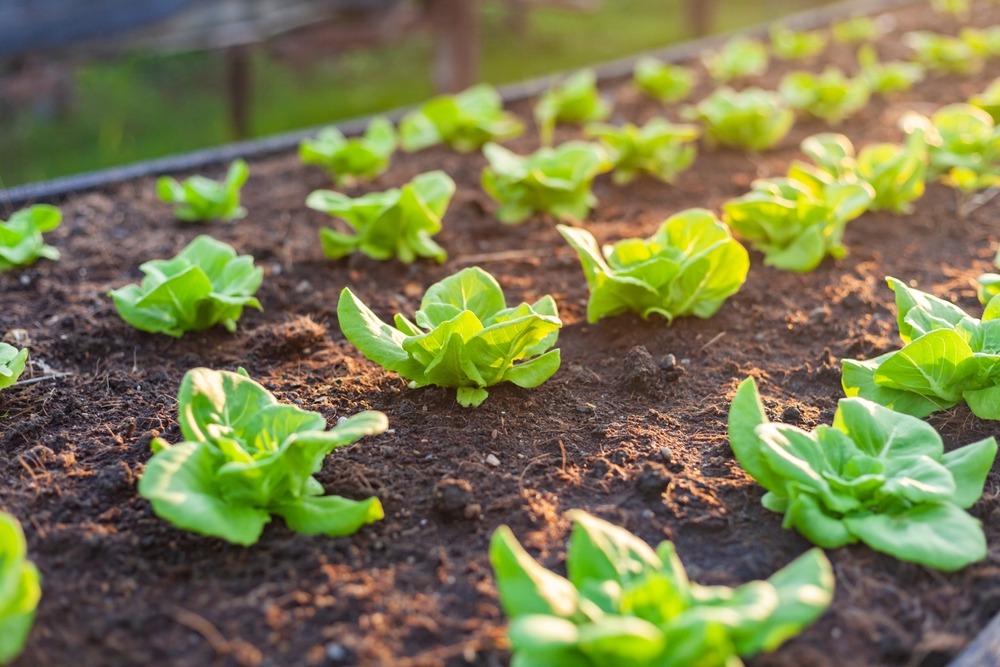
When you think about animal health, you might picture clean barns, fresh water, and attentive care. However, one of the most important factors begins beneath your feet. The quality of the soil directly affects the plants that grow in it, and those plants in turn influence the nourishment animals receive every day. When you choose biologically grown produce, you support a system that treats soil as a living foundation rather than a mere growing medium. Healthy soil contains beneficial microorganisms, organic matter, and natural nutrients that support crop growth without heavy chemical inputs. As a result, the fruits, vegetables, and forage grown in that soil carry stronger nutritional value. When animals consume feed grown from biologically rich soil, they help promote stronger immune systems, improved digestion, and more balanced overall health. This natural cycle reminds you that animal care does not begin at feeding time; it starts with how the land itself is treated. By valuing soil health, you create a direct path toward healthier animals and a more balanced farm environment.
Supporting Animal Nutrition Through Natural Growing Practices
The way produce is grown has a lasting impact on what animals absorb from their food. When you rely on biologically responsible growing methods, crops develop within a system that encourages nutrient density rather than rapid, chemically driven growth. Plants cultivated in healthy soil often contain higher levels of vitamins, minerals, and trace elements. These nutrients play a critical role in maintaining steady energy levels, strong bones, and resilient immune responses in animals. When you feed animals produce grown in this manner, you reduce the likelihood of deficiencies that can lead to stress or illness. In addition, biologically grown crops avoid excessive synthetic pesticides and fertilizers, which can leave residues that disrupt natural bodily processes. By choosing produce grown with care for the ecosystem, you help ensure that animals receive clean, wholesome nourishment. This approach supports long-term vitality rather than short-term output. When you prioritize quality over convenience, you contribute to a farm culture that values life at every stage, from seed to harvest to feeding time.
Building Soil That Sustains Life Year After Year
Soil is not static; it is alive with organisms that break down organic matter and cycle nutrients back into the ground. When you practice biological growing methods, you encourage this natural activity rather than interrupt it. Composting, cover cropping, crop rotation, and minimal soil disturbance allow beneficial microbes to flourish. These microorganisms form partnerships with plant roots, helping them absorb nutrients more efficiently. Over time, this creates soil that becomes richer instead of depleted. When soil remains fertile and balanced, you reduce the need for artificial amendments that can weaken its structure. Healthy soil also improves water retention, allowing crops to withstand dry periods without stress. As you build soil health year after year, you create stability for the entire farm system. Animals benefit from consistent access to nutritious forage, and the land itself remains productive without strain. By investing in biological growing practices, you support a cycle that regenerates rather than exhausts the environment. This long-term view strengthens both the ecosystem and the animals that depend on it.
Protecting Local Ecosystems Through Responsible Farming
When you choose biologically grown produce, your decision extends beyond the farm’s boundaries. Conventional growing methods that rely heavily on chemical inputs can affect nearby waterways, wildlife habitats, and surrounding plant life. Runoff from synthetic fertilizers and pesticides may disrupt natural systems and reduce biodiversity. By contrast, biological farming practices aim to work with natural processes. When you maintain healthy soil and avoid excessive chemical use, you help reduce pollution and preserve beneficial insects, birds, and native plants. This creates a more balanced environment where each component supports the others. Animals living on the farm benefit from cleaner air, safer grazing areas, and a reduced risk of exposure to harmful substances. At the same time, local ecosystems remain more stable and diverse. When you recognize that farming choices influence the broader environment, you begin to see how interconnected everything truly is. By supporting produce grown with ecological responsibility, you help protect not just individual animals but also the land and wildlife around them.
Choosing Practices That Reflect Care and Responsibility
When you reflect on why biologically grown produce matters, you realize that the answer reaches far beyond the dinner table or feed trough. It reflects your commitment to thoughtful stewardship. Each time you support methods that build soil health and provide clean nourishment for animals, you reinforce a culture of responsibility. You acknowledge that the well-being of animals depends on the quality of what they consume, and that quality depends on the condition of the soil. This awareness encourages you to value patience, consistency, and long-term care over quick results. At Alpine Acres Sanctuary Farm, you have the opportunity to be part of a system that honors these principles every day. Your involvement helps maintain practices that strengthen animals and preserve the land they call home. Reach out today or fill out our online form to learn more about how you can support Alpine Acres Sanctuary Farm and help protect animals and local ecosystems for generations to come.