
How Interactive Animal Encounters Can Teach Kids About Compassion and Nature
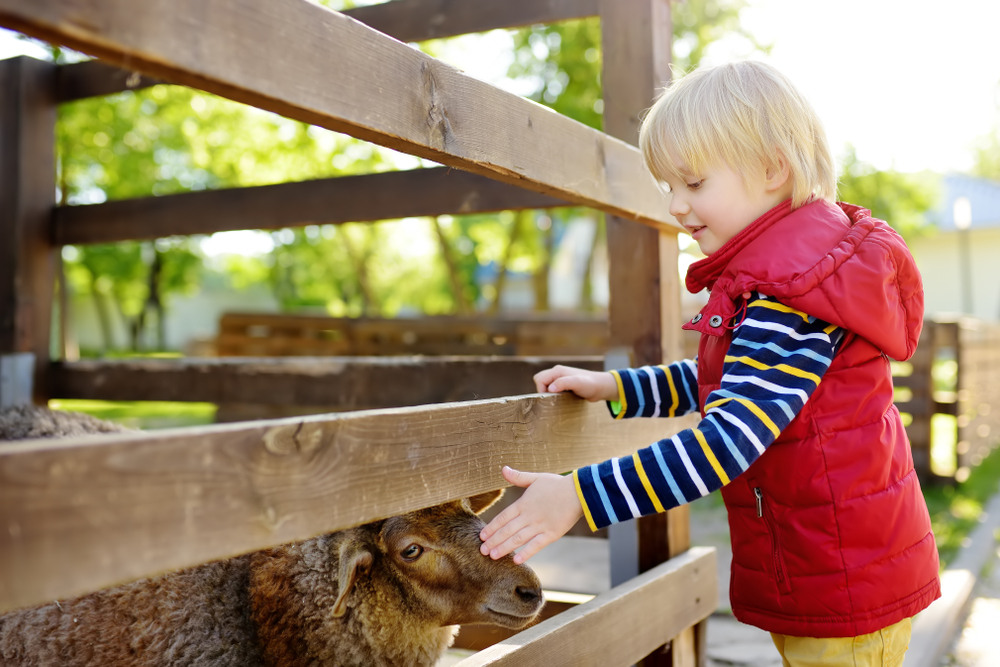
When your child steps into an environment where animals live in safety and care, learning begins in a way that no textbook can replicate. Interactive animal encounters allow kids to observe personalities, habits, and emotions up close. Instead of seeing animals as distant figures in a storybook, your child begins to recognize them as living beings with needs and feelings. When a child gently feeds a goat or softly pets a rescued sheep under guidance, they learn that their actions have an impact. A calm voice and slow movements create trust, while impatience can cause fear. These simple interactions form powerful lessons about empathy. Your child starts to understand that kindness is not abstract; it is practiced through behavior. By spending time in a sanctuary setting, you give your child the opportunity to see how care, patience, and respect influence another living creature’s comfort. That awareness shapes how they treat not only animals, but also people in their daily lives.
Learning Responsibility Through Guided Interaction
Interactive encounters also teach responsibility in a practical and memorable way. When your child helps refill water buckets, distribute feed, or observe proper handling techniques, they see the consistent effort required to maintain animal well-being. Caring for animals involves routine, attention, and accountability. By participating in small supervised tasks, your child begins to understand that living beings depend on reliable care. This lesson extends far beyond the farm. When children realize that animals rely on regular feeding schedules and clean environments, they gain insight into the importance of commitment. You can reinforce this understanding by discussing what it takes to keep a sanctuary running smoothly. Staff and volunteers show up daily, regardless of weather or season, because animals require ongoing support. When your child witnesses this dedication firsthand, they develop respect for effort and consistency. Responsibility becomes more than a chore; it becomes a meaningful contribution to another life’s well-being.
Connecting with Nature Beyond Screens
Many children spend a significant portion of their time indoors, surrounded by devices and structured routines. Interactive animal encounters offer a refreshing contrast. When your child walks through open fields, listens to birds, and feels the texture of hay, they engage their senses, which encourages curiosity. Nature becomes tangible rather than theoretical. Instead of learning about ecosystems solely through diagrams, your child observes how soil supports plant growth, how plants feed animals, and how animals contribute to the land. This connection helps them grasp the balance that sustains life. Fresh air, natural light, and open space also provide mental clarity. When children step away from screens and step into a farm setting, they often become more attentive and present. You may notice them asking thoughtful questions or pausing to observe small details. These moments of curiosity lay the groundwork for lifelong appreciation of the environment and the systems that support it.
Understanding Animal Stories and Second Chances
At sanctuaries, many animals have unique histories that offer valuable lessons in resilience and compassion. When your child learns that a cow was rescued from neglect or that a chicken was saved from unsafe conditions, the experience becomes deeply personal. These stories teach that animals deserve care and respect, regardless of their past. By hearing about rehabilitation and recovery, your child sees how patience and proper care can transform a life. This perspective encourages gratitude and perspective. It helps children recognize that challenges can be met with support and dedication. When you discuss these stories together, you create space for meaningful conversations about fairness, kindness, and second chances. Children often respond strongly to these narratives because they connect emotion with action. They see that compassion is not just a feeling; it requires effort and intention. This understanding shapes how they approach relationships and responsibilities beyond the sanctuary gates.
Encouraging Lifelong Compassion and Involvement
The lessons your child gains from interactive animal encounters do not end when the visit concludes. Experiences like these often leave a lasting impression that influences future choices and attitudes. After spending time caring for and observing animals, your child may become more mindful of how daily decisions affect living beings and the environment. You can encourage this growth by continuing conversations at home, supporting humane practices, and seeking opportunities to stay involved. Alpine Acres Sanctuary Farm provides a setting where these values take root naturally through experience rather than lecture. By participating in interactive encounters, you help nurture compassion, respect for nature, and a sense of shared responsibility. Reach out today or fill out our online form to learn more about how you can support Alpine Acres Sanctuary Farm and help protect animals and local ecosystems for generations to come.